
Certified Public Accountant Arlington AlternativeMatch the bank, then the return
Steven Palmieri, the Entrepreneur's CFO and Tax CFO, keeps the bank and the books on one number, connects payday to the provider you already approved, and writes the return while a fall purchase can still change the year.

A Rangers night still closes.
The roof at Globe Life Field slides open, and that cool air is a Rangers night we share with you. What we do with the same night is match the cash to the bank before the month is allowed to close.
Click to see month ›Tap to see month ›
The Thursday card batch.
Hurtado Barbecue's line smells like a weekend we stand in too. Those plates become a card batch, and the batch belongs to the month the kitchen served them.
Click to see tax ›Tap to see tax ›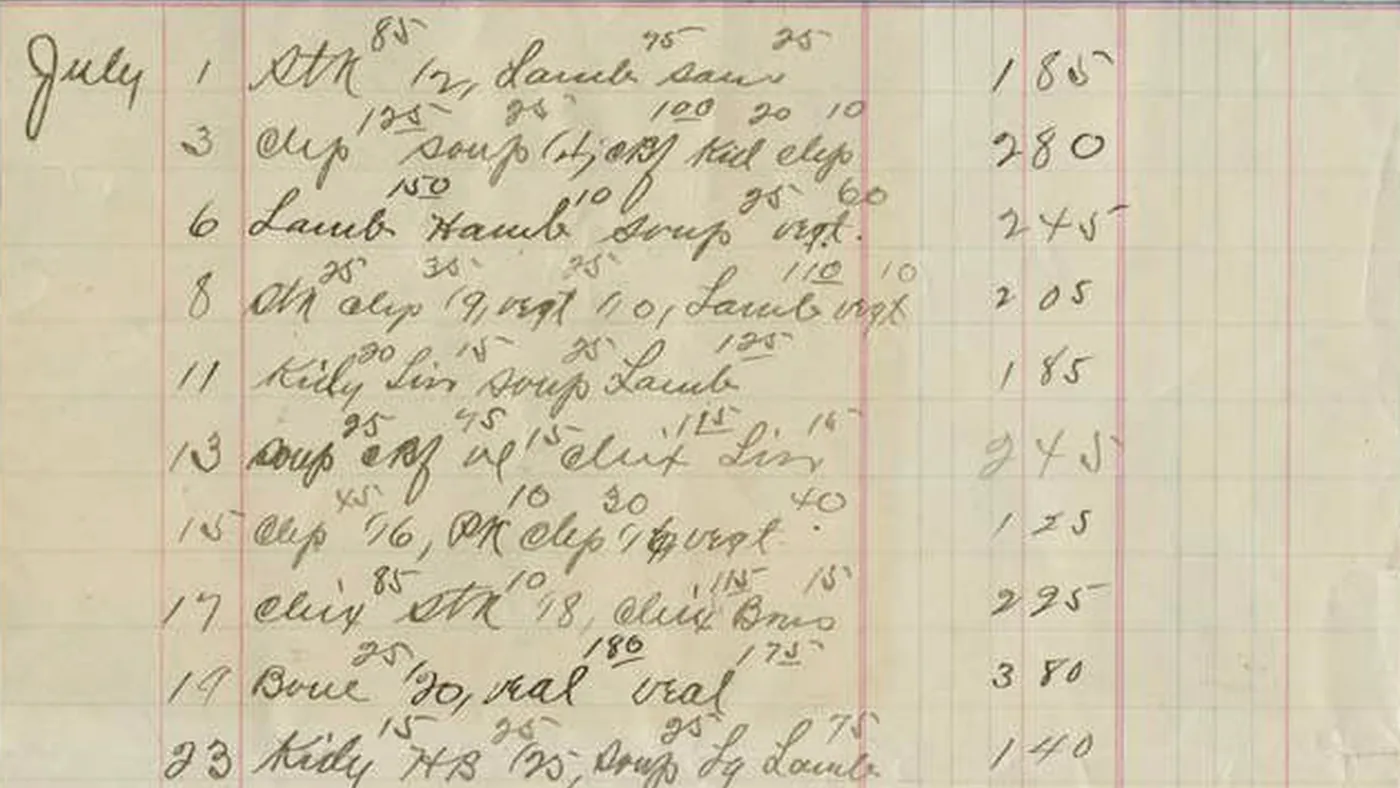
The weekend invoice.
The weekend's invoices belong to the week the work was done, and we tie them to the bank before that month closes.
Click to see invoices ›Tap to see invoices ›
A work truck on the list.
River Legacy on a Saturday is a walk we take in the same parks. The truck that got us out there is a line on the asset list, with a cost and a life, and October is when that line has to be written.
Click to see assets ›Tap to see assets ›
The return comes after.
We write the return only after the months already match the bank, so the year you sign is the year you have been reading.
Click to see return ›Tap to see return ›
Who stays on the close.
Levitt Pavilion puts on a free show, and that lawn is an evening we spend the way you do. Vendor deposits from that night get a name in the month the music played, or we leave the month open.
Click to meet Steven ›Tap to meet Steven ›Notices that show up between the stadiums
Pick the notice that arrived. The line under it names which filing it is, and the move we make with that envelope.
1Arlington's combined sales filing
Arlington's combined sales filing
The Comptroller wants the sales tax return on the 20th. In Arlington the combined rate is the state 6.25 percent plus the city 2 percent, and Tarrant County does not add a county sales tax on top.
We match the deposits to that month before the return goes out, so the figure and the bank are telling the same story.
2The room tax, even at zero
The room tax, even at zero
A hotel in Arlington files the city's room tax every month, including a month with no guests. The state's room tax is a separate filing on its own calendar.
If rooms near the stadiums are part of the year, both filings sit on the same list as the sales tax, and a quiet month is still filed.
3The value notice from the county
The value notice from the county
Tarrant Appraisal District sets the value behind the property tax bill and mails a notice each year. The bill you pay later is built on that number.
We read the notice next to the asset list, so the building you walk through and the figure on the books are not two different stories.
4May's report on the entity
May's report on the entity
The state franchise report is a filing about the entity. An opinion on the statements is a different document, and the signature a bank wants is a different signature again.
May's filing reads the months whose cash already agreed with the bank. A buyer who wants an opinion is pointed at the disclosures page on the first call.
5A notice about a new hire
A notice about a new hire
A first employee, or a move from contractors to wages, shows up as registrations and a provider that has to be connected to the books.
We set the accounts up and connect the provider you choose. You still approve each payday. We do not run the payroll.
6The quarterly estimate reminder
The quarterly estimate reminder
An estimate reminder means April can feel like a surprise if nobody projected the year from the months already closed.
We set the next estimate from this year's closed months, so a strong summer is visible before it becomes a balance due.
Same close either day

Steven Palmieri, Tax CFO and the Entrepreneur's CFO, closes a Rangers weekend and a quiet Tuesday the same way, with the cash matched to the bank.
Name that unfinished month
Name the month you last trusted, and say whether payday is already running.
You will be talking to the Steven Palmieri practice.
Read the longer notes
A month we will stand behind.
See what a finished month shows
A month we will stand behind shows one cash figure in the bank and in the books, card balances that agree, and a name on every deposit that would still make sense next spring. We finish that while the week is fresh, and we stop renaming categories so a later year can be read against this one. Plenty of people can type a federal return. What you are choosing is who already matched the bank before that typing starts.
A deposit with no name keeps the month unfinished. Fixing it now is cheaper than reconstructing a transfer in March, when the memory has gone thin. Whatever stays open should be a single item you can point to, with a reason that still reads clearly later.
Reports come from that finished month. They do not come from a reconstruction done the week the return is due. You should be able to name what came in, what went out, and the one question still sitting there.
Payday still needs your yes.
Read the payroll setup
We connect payday to the provider you already approved, or we help you pick one and get the registrations in place. Wages, withholdings, and owner draws land in the month they happened. You still approve the run. We are not taking payday out of your hands, and we are not the ones pushing the button.
A raise, a new hire, or a draw that changed on a stadium weekend gets named in that month. Waiting until the return leaves a gap where the memory used to be, and a statement built over that gap is the one a lender will not trust.
On the first note, the name of the provider is enough. Leave the password off the form. Write whether wages already leave through a provider, or whether that connection is still to be built.
A purchase can still change October.
Read the fall choices
A truck, a piece of equipment, or a retirement contribution can still change the year in October if the months behind it are already closed. We would rather have that talk while the purchase can still be timed than in January, when the year is only a memory.
The same is true of a draw that was really a wage, or a repair that was really an improvement with a life longer than this year. Those are ordinary questions. They need a month that is already tied to the bank, or the answer is a guess.
We do not print a fee for that conversation on a website. The first note tells us how many months are open. A backlog bigger than the note let on gets named before any extra months are opened.
The return waits on the months.
Read what the return uses
The return is prepared from months that already match the bank, so signing it feels like recognizing a year you have already been reading. Sales tax, the May franchise report, and the contractor forms leave on the dates that belong to them. An extension is a choice we make together while the calendar still has room.
Closed months make the return feel familiar. Open months turn it into a rebuild, and a rebuild spends the weeks you wanted for a purchase or a hire. We would rather those weeks stay available.
A summer that ran hot near the stadiums belongs in the next estimate, taken from months already closed, before April shows up holding a balance. Splitting last year's bill into four is not an estimate we will send.
What the first note needs.
Read the first note
Name the last month that felt finished, say whether payday already runs, and say if the return belongs in the same scope. Those three facts sketch how the opening weeks of the work will look. A page cannot see the size of the pile, so this page will not invent a fee.
The opening talk creates no engagement and starts no fee. Nobody is on the clock until a scope is on paper. That writing lists the months, says whether payday setup is inside it, and names the price. You can walk away before that signature.
If the signature a lender wants is an opinion on the statements, you hear that on the same call. That opinion is outside this practice. The close and the return you sign can continue here beside a firm that can give the opinion.